Dubai Property Market Q2 2026: Institutional-Grade Analysis of the Market's Longest Bull Run
A comprehensive, data-backed breakdown of Dubai's residential sector: transaction values, off-plan dynamics, sub-market performance, and structural capital drivers.
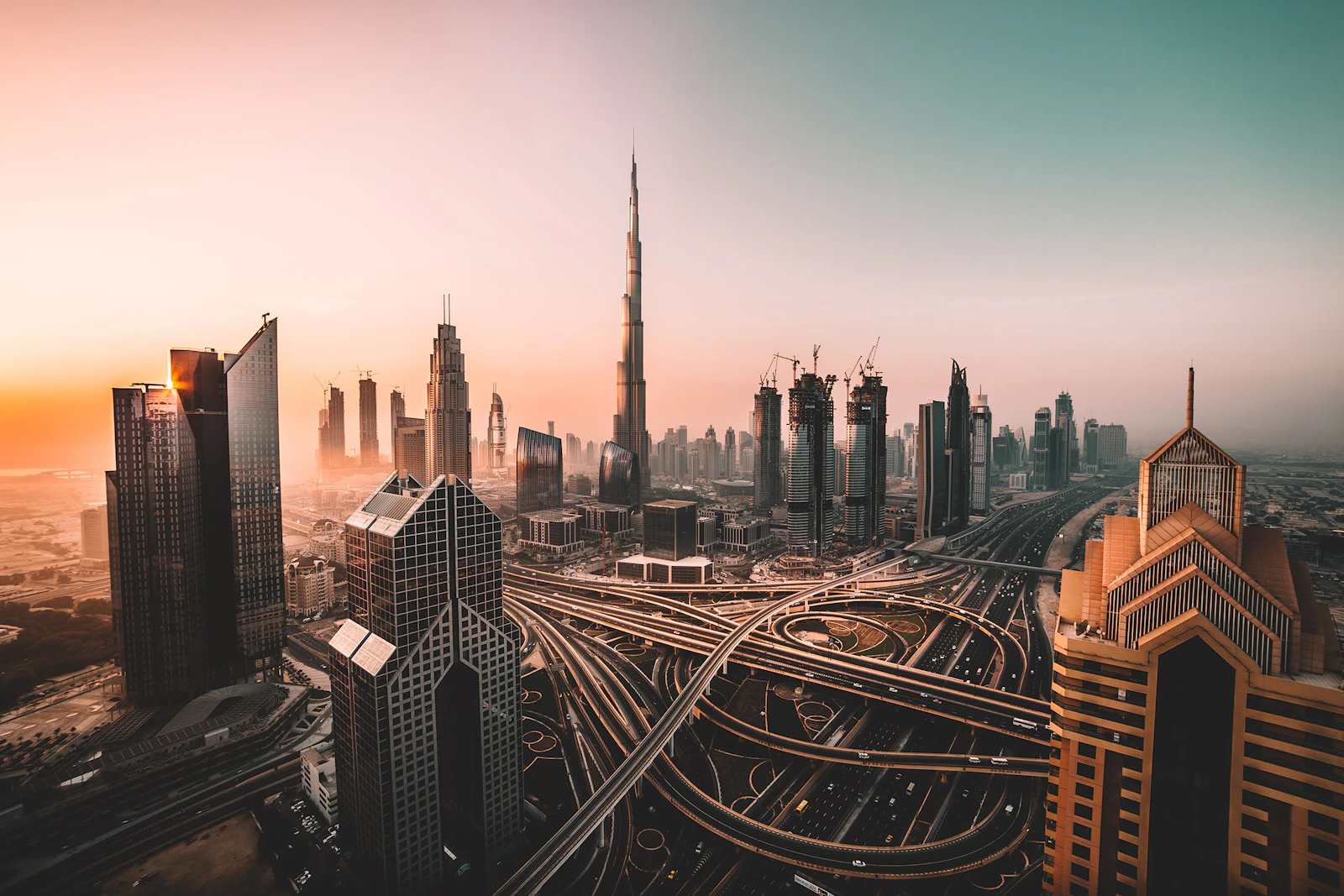
The Dubai residential property market has concluded its second quarter of 2026 by securing its most significant milestone yet: the longest uninterrupted expansion phase in the modern history of the Emirate's real estate sector. Supported by structured population growth, favorable regulatory frameworks, and sustained capital inflows from a highly diversified base of global ultra-high-net-worth (UHNW) and institutional buyers, the market continues to demonstrate robust momentum.
Q2 2026 Transaction and Volume Dynamics
During Q2 2026, total residential transaction volume surged, with average sales prices posting a 14.2% year-on-year (YoY) increase. Crucially, the total transaction value outperformed previous quarters, reflecting a decisive shift toward high-ticket, premium properties. Average residential capital values have now surpassed their previous 2014 peak by over 28% in real terms, yet the market remains valued competitively on a price-per-square-foot basis compared to tier-1 global capitals like London, Singapore, or New York.
The Off-Plan Phenomenon and Construction Pipelines
Off-plan transactions continue to serve as the primary engine of market volume, accounting for approximately 63% of all sales registered in Q2 2026. This trend is driven by developer-backed post-handover payment structures, tax efficiency, and the appeal of master-planned branded residences.
While critics frequently point to a potential supply overhang, a granular analysis of the delivery pipeline reveals a more nuanced reality. Of the projected completions slated for 2026–2028, over 78% are concentrated in secondary suburban corridors. In contrast, prime central districts face an acute, permanent shortage of land. This geographical divide is bifurcating the market: central luxury locations are experiencing capital value appreciation driven by genuine scarcity, while outlying areas are normalizing as supply catch-up begins.
Sub-Market Performance: Luxury vs. Yield Play
• Ultra-Luxury (Palm Jumeirah, Jumeirah Bay Island, Emirates Hills) — The luxury segment above AED 15M (USD 4M) continues to lead price appreciation, with Palm Jumeirah villas posting a 27.8% YoY capital gain. Global wealth relocation has turned Jumeirah Bay Island and emerging branded-residence concepts (such as Baccarat, Armani, and Bugatti Residences) into primary capital havens. Supply in these beachfront micro-locations is permanently capped, maintaining a strong upward pressure on valuations.
• High-Yielding Investment Hubs (JVC, Dubai South, Arjan, Al Furjan) — For yield-seeking institutional and individual investors, these secondary districts represent the most compelling opportunities. Studios and one-bedroom apartments in Jumeirah Village Circle (JVC) and Dubai South are delivering gross rental yields of 7.8% to 9.4% (or 6.5% to 7.8% net after service charges and maintenance reserves). Demand in Dubai South is receiving a structural boost following the government's announcement of the AED 128B expansion of Al Maktoum International Airport (DWC), which is set to become the world's largest aviation hub.
Structural Demand and Regulatory Drivers
Dubai’s market expansion is underpinned by permanent structural upgrades rather than speculative retail volume:
1. The Golden Visa Anchor — The reduction of the Golden Visa property investment threshold to AED 2M (USD 545k) has established a permanent residency baseline for international buyers. This is no longer treated as a temporary travel visa but as a long-term 'Plan B' asset, anchoring global family-office capital in the Emirate.
2. Corporate Tax Integration — The introduction of a 9% corporate tax rate has had a counterintuitive, positive impact on real estate. Corporate entities are actively acquiring commercial and residential assets to optimize their balance sheets and shield cash flows under tax depreciation rules.
3. High Net Worth Migration — The UAE is projected to attract an record influx of millionaires in 2026. This sustained migration of capital is insulating the prime segment from local financing costs, as over 75% of luxury transactions are executed in cash, completely bypassing high mortgage interest rates.
Underwriting the Risk Profile
Sustained performance requires objective risk underwriting. Investors must monitor two primary factors:
• Rental Yield Compression in Core Areas — As capital values outpace rental growth in prime districts, net yields in Downtown and Dubai Marina have compressed to the 4.8% to 5.5% range. For yield-first buyers, moving outward to high-quality developments in master-planned communities like JVC, Dubai South, or Town Square is essential to preserve cash-on-cash returns.
• Developer Delivery Execution — With over 150 developers active in the market, delivery risk is rising. Buyers must strictly align with institutional-grade developers (e.g., Emaar, Nakheel, Aldar, DarGlobal, Select Group) or underwrite rigorous contractor-backed performance bonds on mid-market off-plan plays.
The Outlook for H2 2026
We project that the Dubai property market will maintain its upward trajectory through the end of 2026, though the pace of capital appreciation is expected to moderate to a sustainable 6% to 8% annualized rate. The combination of structural regulatory moats, dollar-pegged revenue, and unmatched regional infrastructure keeps Dubai positioned as one of the most attractive high-yield, safe-haven real estate allocations globally.